Clinisys: A strong fit for blood transfusion laboratory workflows
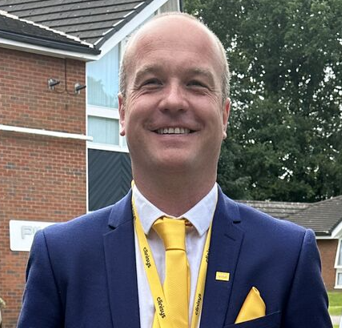
Blood transfusion is meticulous, well-regulated, and focused on safety. Many vendors have been unable to build systems around the UK’s strict requirements, giving Clinisys an all but unique role in supporting this vital discipline, says Paul McAnuff,
Technology to manage
Clinisys is working on some significant go-lives as a result. So, why does
Just remind us of the blood transfusion process and where the LIMS is involved?
Paul Mcanuff,
So, the first step in the
The result will be sent to the LIMS, which holds the blood group and antibody screen result and can trigger specific alerts based on any differences in the blood group and Antibody screen history. The next step is to request blood from the laboratory and to physically match it to the patient’s blood, to see if any immune reaction occurs. If this ‘crossmatch’ doesn’t reveal any problems, the blood bank can release the blood for use.
What is the role of guidance and regulation?
Paul: Like many pathology disciplines,
The guidance and regulations don’t change very frequently, but they are very strict: for instance, WinPath has thirteen checks that must be passed before the blood bank can issue blood electronically without the need to cross match.
That’s one of the reasons that new entrants to the NHS lab management market have struggled and even the big EPR vendors that have lab modules don’t do
Why do laboratories value the Clinisys solution?
Paul: We used to say that our system was built by transfusionists for transfusionists. All of our product specialists have come from the lab, so we have the depth of knowledge that is required to take those guidelines and make sure they can be applied on the ground.
We have a Masterbuild that is based on current BCSH guidelines and covers 80-90% of a lab’s requirements. But when we run a deployment project, we still go through high-level and low-level design. Many of our customers use the introduction of a new system to make changes to their ways of working, because they know the LIMS is based on best practice and years of successful implementations.
But if they want to make variations or additions, we can accommodate that. Pathology networks and multi-site trusts also like that we can provide a single record that shows a patient’s full transfusion history and makes it less likely that important information about previous transfusions will be missed.
Could you outline some of the other features of the system, and explain how it is built for safety?
Paul: Clinisys WinPath is modern. It’s Windows-based, has a
Special requirements can be added via Request rules, based on clinical diagnosis or request entry details. For example, women of childbearing age will automatically be assigned a special requirement of K- to ensure they get blood that is K- to protect from the possibility of producing an antibody. Result rules can also be set up to fire when results are saved and can auto reflex on different comments and add on tests if required.
WinPath also includes a set of hard-coded electronic issue rules that cannot be over-ridden. The system will show users if a sample doesn’t meet those 14 rules for electronic issue. Or, if a user needs to issue a unit of blood that is a different blood group to the patient, there is a set of mismatch tables that will only allow units that are deemed suitable to be issued and won’t allow any clinically dangerous groups to be issued.
Plus, there is a full audit trail for all requests, from initial booking through resulting and final
What is the future of blood transfusion and technology?
Paul: The process of
In recent years, there has been a big focus on fully digitising the
Clinisys doesn’t provide these systems, but our LIMS interfaces with them. That improves patient experience and patient safety, which is the most important thing, because
One of the things that I love about working with transfusionists is that they are passionate about making sure that does not happen. They are absolutely committed to getting it right, and we do everything that we can to make sure our solution supports them.
The views and opinions expressed in this blog are those of the author and reflects personal experience and is not representative of all users.
Paul McAnuff, Blood Transfusion Domain Lead, Clinisys
“We have a Masterbuild that is based on current BCSH guidelines and covers 80-90% of a lab’s requirements. But when we run a deployment project, we still go through high-level and low-level design. Many of our customers use the introduction of a new system to make changes to their ways of working, because they know the LIMS is based on best practice and years of successful implementations.”
Related content
Blood transfusion at Aneurin Bevan University Health Board live with Clinisys™ WinPath
Critical service adopts the latest Laboratory Information Management System (LIMS) to support the Transfusion Laboratory testing and distribution of blood components and blood products for the population of Aneurin Bevan Univeristy Health Board.
The
Northern Ireland completes nationwide roll-out of Clinisys WinPath
An ambitious technology project to support the transformation of pathology services across Northern Ireland has been completed.
Western and Southern trusts went live with the LIMS in their microbiology,
Northern Ireland CoreLIMS and Blood Production and Tracking
An ambitious
